

Hysteroscopy in Mexico City and Metepec: Diagnosis and Treatment
Hysteroscopy is a minimally invasive procedure that lets your doctor see the inside of the uterus directly, using a very thin camera passed through the vagina. It is used to diagnose and, in many cases, to treat in the same procedure problems such as polyps, fibroids, adhesions or a uterine septum. At CEMPI it is performed as an outpatient procedure in the operating room, for patients in Mexico City (Benito Juárez) and Metepec, in the State of Mexico, after an individual medical evaluation.
Estimated duration
At CEMPI, hysteroscopic procedures may require approximately 20 to 30 minutes in the operating room, followed by 2 to 3 hours of monitoring before discharge is considered.
Clinical area
Treating physician and surgical staff
Where it is performed
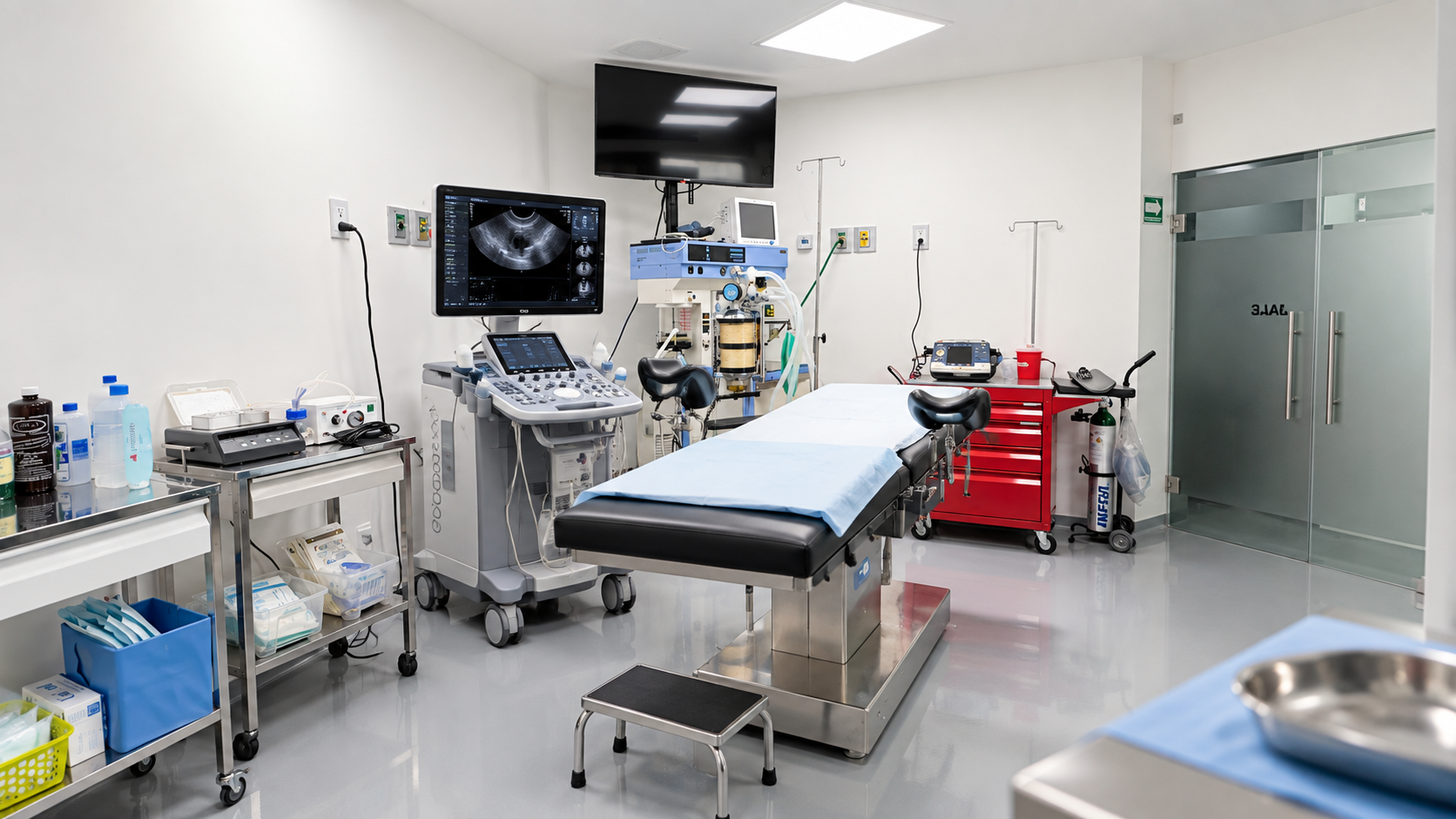
It is performed in an operating room as an outpatient procedure.
Support
The medical team and PLANEA staff will provide comprehensive, close follow-up throughout your treatment. Our commitment is to guide you through clear, transparent and timely communication.
Hysteroscopy at CEMPI at a glance
- What it is: a direct look at the uterine cavity for diagnosis and treatment.
- Where it is done: in the operating room, as an outpatient procedure.
- How long it takes: about 20 to 30 minutes in the operating room, followed by 2 to 3 hours of monitoring before discharge is assessed.
- Who performs it: your treating doctor and the surgical team.
- Locations: the procedure is performed in our own operating room at the Mexico City (Benito Juárez) clinic; your assessment and follow-up visits can also take place in Metepec (Toluca), State of Mexico.
- Payment: cash, credit or debit card, or financing over 2, 4, 6 and 9 months, subject to evaluation and approval.
- First step: a consultation.
What is hysteroscopy?
Hysteroscopy is a short-stay procedure in which the uterine cavity is viewed directly through the vagina. A hysteroscope, a thin instrument with a light and a camera, is passed through the cervix and the image is shown on a monitor. It allows problems of the uterus such as polyps, fibroids and adhesions, among others, to be addressed.
Diagnostic and surgical hysteroscopy
Diagnostic hysteroscopy is used to look inside the uterus and confirm what is happening. Surgical, or operative, hysteroscopy also allows the problem to be treated with instruments passed through the same hysteroscope. Your doctor decides which one you need based on your tests and symptoms.
What can be diagnosed and treated?
- Endometrial polyps
- Fibroids that grow into the uterine cavity
- Adhesions inside the uterus
- Causes of abnormal uterine bleeding
Who is hysteroscopy for?
It is recommended for patients with abnormal uterine bleeding, unsuccessful in vitro fertilization treatments, a refractory endometrium or another suspected problem inside the uterus. It is indicated when an ultrasound or a previous cycle suggests a finding in the uterine cavity that is worth seeing and treating directly.
Situations where it is often recommended
- Abnormal uterine bleeding
- Ultrasound findings that suggest a polyp, a fibroid or adhesions
- Unsuccessful IVF or implantation failure
- Refractory endometrium
- Suspicion of another problem inside the uterus
Hysteroscopy and fertility: when is it considered?
Hysteroscopy helps find and treat problems of the uterine cavity that can make pregnancy difficult. It is not necessary for every patient trying to conceive, nor before every IVF cycle: your doctor suggests it when your tests or history justify it. Learn about in vitro fertilization.
How hysteroscopy works, step by step
- 1.
Assessment and medical diagnosis
Your doctor reviews your history, symptoms and tests to determine which uterine problem is suspected and whether hysteroscopy is the best option.
Previous tests
They may include an ultrasound and other tests your doctor considers necessary.
What is reviewed
The shape of the uterus, the endometrium and any finding that suggests a problem inside the cavity.
- 2.
Outpatient hysteroscopy procedure
The procedure is performed in the operating room and takes about 20 to 30 minutes. The hysteroscope is passed through the vagina, the uterine cavity is examined and, if indicated, the problem is treated during the same procedure.
- 3.
Monitoring afterward
After the procedure you stay under observation for 2 to 3 hours before your discharge is assessed.
- 4.
Follow-up visit and results
You have a post-procedure follow-up visit where your doctor explains the findings and gives you your results.
Does hysteroscopy hurt, and how long does it take?
The procedure takes about 20 to 30 minutes in the operating room, followed by 2 to 3 hours of monitoring. You may feel cramping similar to period pain during and after the procedure.
Recovery: what to expect after hysteroscopy
The first hours
You are monitored for 2 to 3 hours. Then your doctor assesses your discharge and gives you written instructions.
The first few days
There may be mild cramping and light bleeding for a few days.
Warning signs
Contact us right away if you have a fever, heavy bleeding, severe pain or foul-smelling discharge.
Risks and considerations of hysteroscopy
Hysteroscopy is a low-risk procedure, but you should know its possible complications. Bleeding, infection, an injury to the wall of the uterus, or complications related to sedation or anesthesia can occur, although they are uncommon. In some cases, treating the problem may require another procedure. Your doctor explains the risks that apply to your case before you begin.
When can I try to get pregnant afterward?
Your doctor tells you how long to wait and when you can continue your fertility treatment. There is no single rule; it depends on the procedure that was performed.
Hysteroscopy, laparoscopy and short-stay surgery: what is the difference?
Hysteroscopy examines the inside of the uterus through the vagina. Laparoscopy is done through small incisions in the abdomen and lets your doctor see and treat the pelvis. Both can be part of short-stay gynecological surgery. Your doctor decides which one is right according to your diagnosis.
Technology and our own operating room at CEMPI
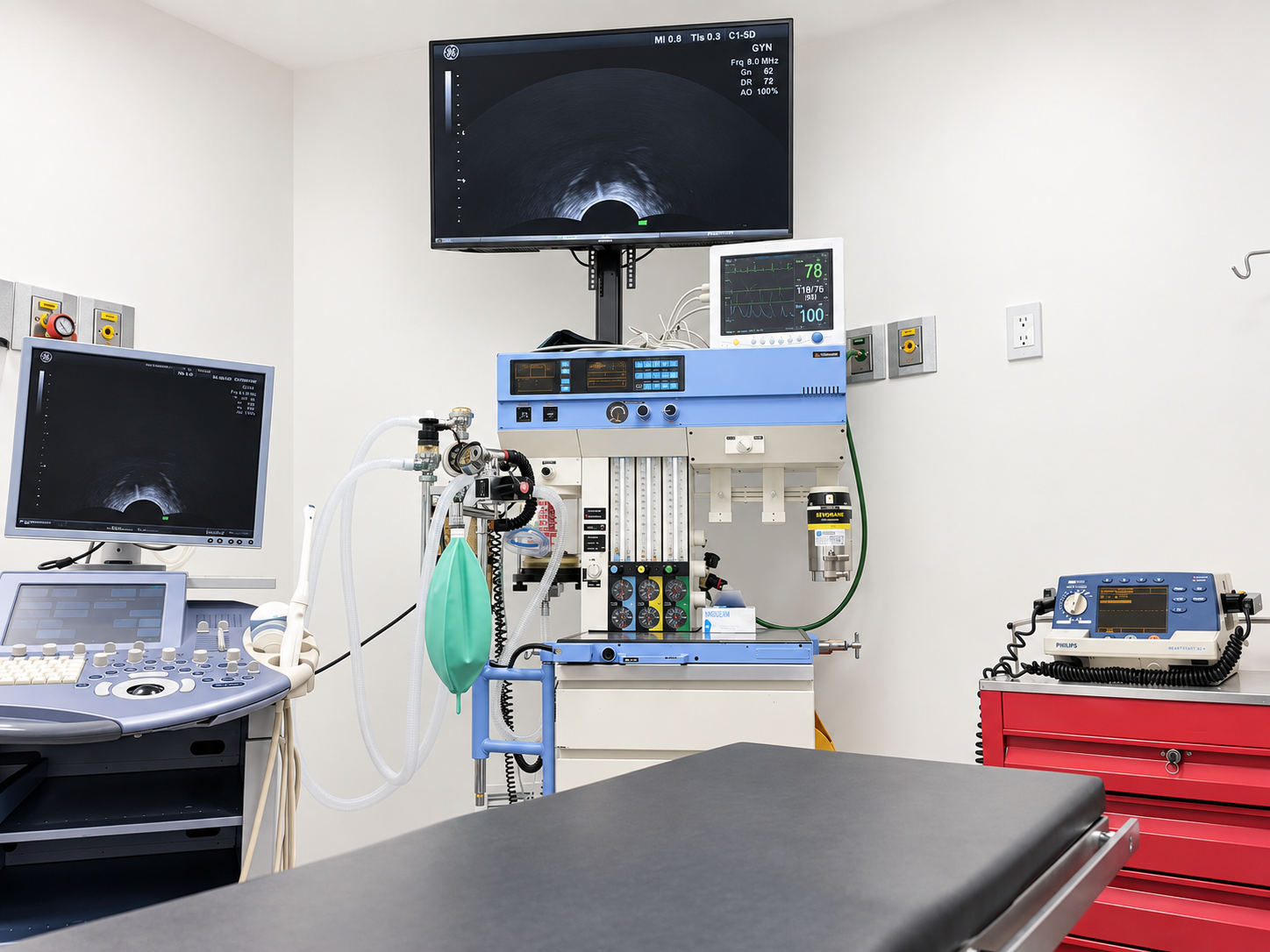
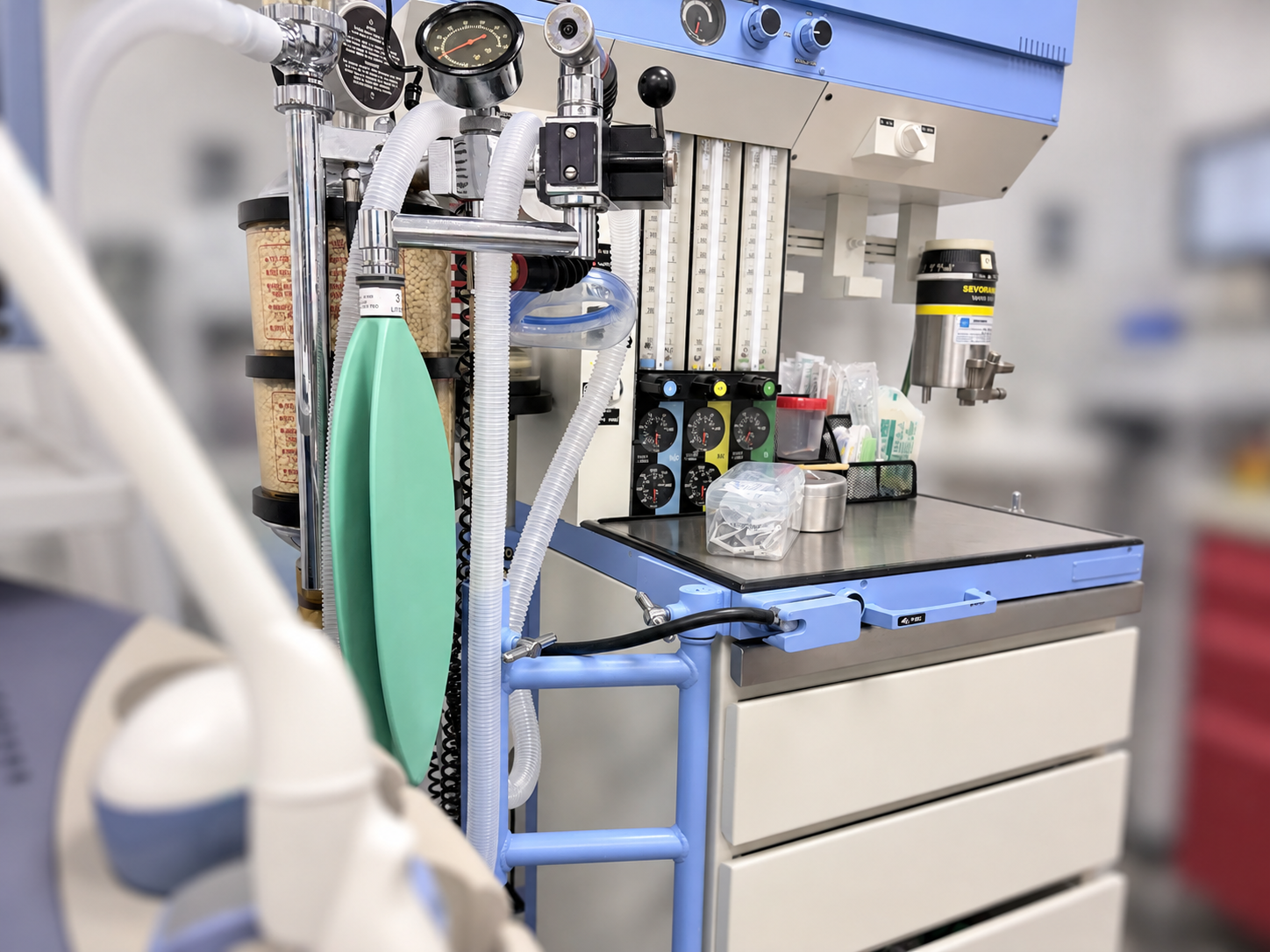
We have our own operating room within the unit, which reduces dependence on outside services. Your procedure is performed by your treating doctor with the surgical team, and your follow-up continues with the same team.
If you live outside Mexico City or are visiting
Hysteroscopy is a same-day outpatient procedure, followed by a follow-up visit. See our guide for international patients.
Hysteroscopy in Mexico City and in Metepec: choose your location
Mexico City, Benito Juárez
Open Monday to Friday from 8:00 a.m. to 4:30 p.m. and Saturday from 8:00 a.m. to 2:00 p.m. See the location page for the map and directions.
Metepec (Toluca), State of Mexico
Open Monday to Saturday from 10:00 a.m. to 2:00 p.m., by appointment. It is the closest option if you live in the Toluca Valley for your assessment and follow-up visits. See the location page.
Hysteroscopy cost and payment options
The cost depends on the procedure indicated and the characteristics of your case. That is why we define it after your evaluation and give you a written proposal.
What affects the cost
Whether the hysteroscopy is diagnostic or surgical, the type of sedation or anesthesia, use of the operating room, previous tests, tissue studies when they are ordered, and follow-up visits. Always ask what a proposal includes and what is charged separately.
Your proposal with PLANEA
PLANEA is the CEMPI team that prepares and presents financial proposals. A financial advisor explains the investment in your treatment and the options available, with clear and transparent information.
Payment methods
You can pay in cash, by credit or debit card, or with financing over 2, 4, 6 and 9 months, subject to evaluation and approval. See costs and promotions and financial planning.
How to prepare for your hysteroscopy
Bring your previous tests, such as ultrasounds and reports from earlier procedures, and a list of the medication you take, including allergies. Write down your questions. Learn more at first visit.
Medical information you can trust
This content was reviewed by CEMPI's medical director, Dra. Eva Bonifacio León, Medical Director, trained in Gynecology and Obstetrics and in Human Reproductive Biology. It is based on guidance from the World Health Organization, the American Society for Reproductive Medicine (ASRM) and the European Society of Human Reproduction and Embryology (ESHRE).
Frequently asked questions about hysteroscopy
Everything starts with an initial consultation: your treating doctor reviews your history, tests and goals, and defines with you whether hysteroscopy is the best option for your case.
Related services
Book your hysteroscopy evaluation
Every plan is built from your diagnosis, not from a standard protocol. Message us on WhatsApp or call, choose the Mexico City or Metepec location, and take the first step with clear information.
This information is educational and does not replace a medical evaluation. Your treatment plan will be set individually by your doctor. Results vary and cannot be guaranteed.