
Gynecologic Laparoscopy in Mexico City and Metepec
Laparoscopy is a minimally invasive surgical technique that lets your doctor see the organs of the pelvis and abdomen directly and perform diagnostic and treatment procedures through small incisions. In gynecology, it is used to diagnose and treat some conditions that affect reproductive health, such as endometriosis, ovarian cysts and fibroids. At CEMPI, we perform it on an outpatient basis in an operating room dedicated to minimally invasive procedures, for patients in Mexico City (Benito Juárez) and Metepec, State of Mexico, after an individual medical assessment.
Estimated duration
Laparoscopic procedures may last approximately 1 to 2 hours, and recovery depends on the findings of your surgery.
Clinical area
Treating physician and surgical staff
Where it is performed
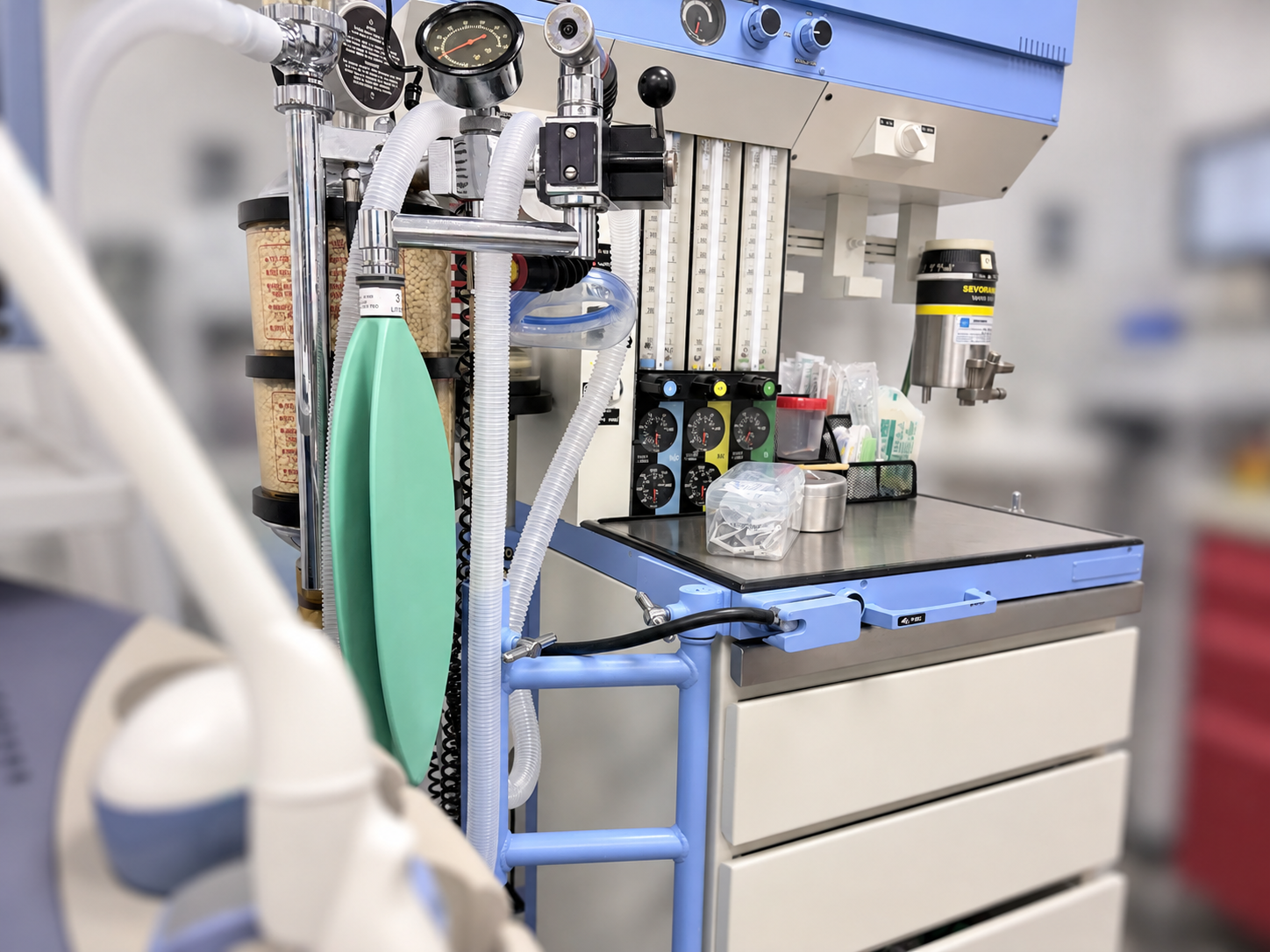
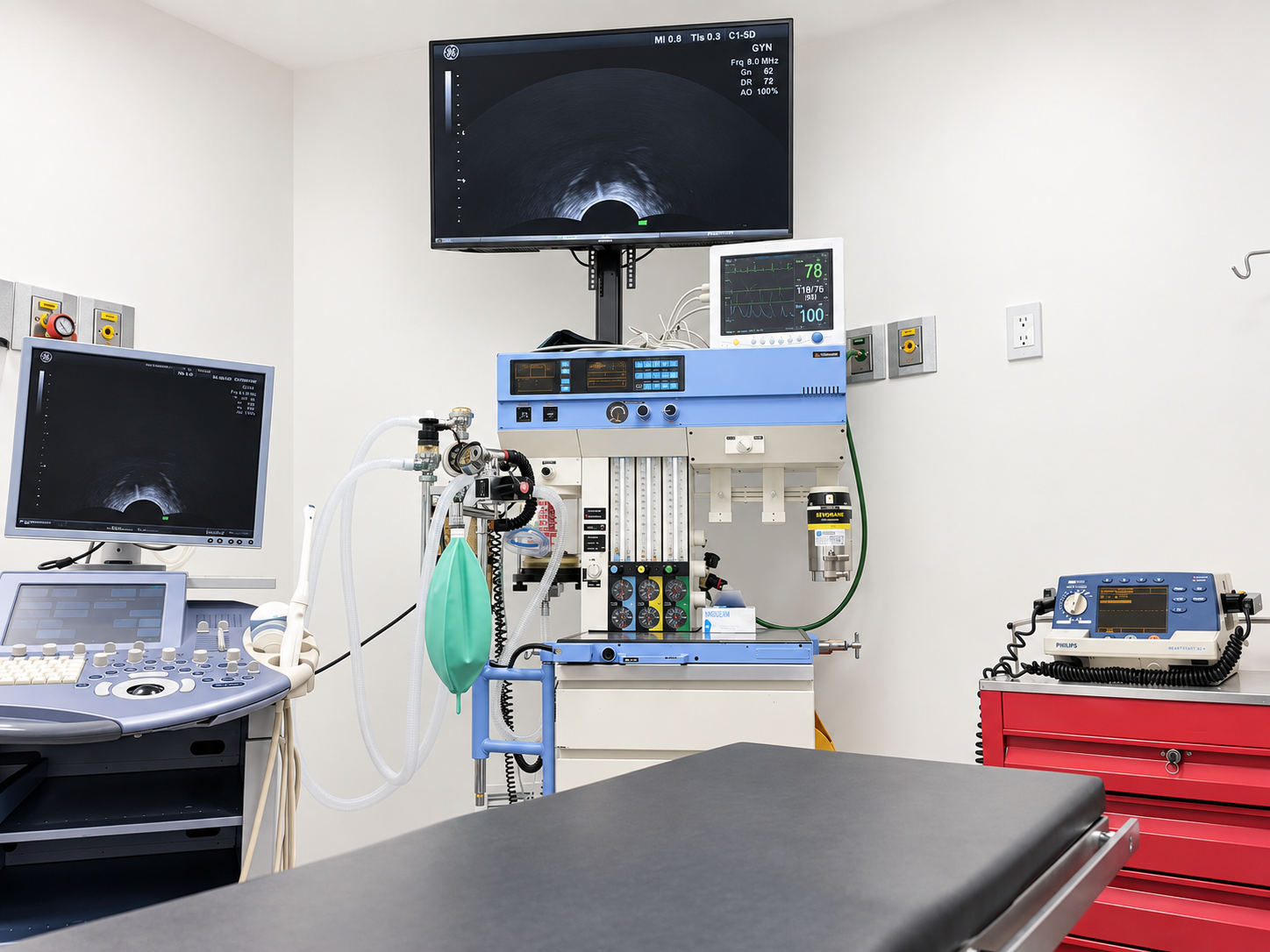
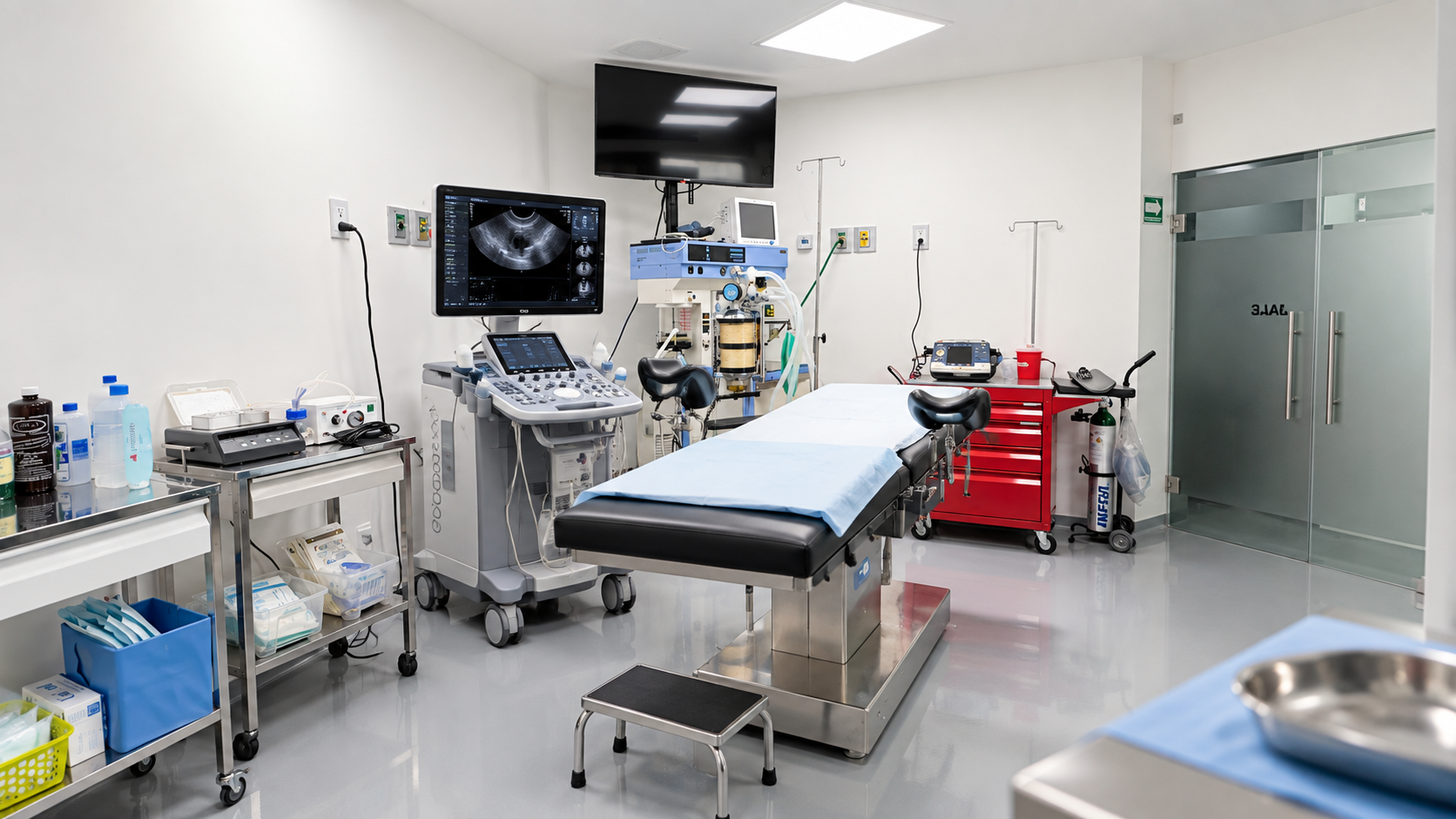
It is performed in an operating room dedicated to minimally invasive procedures, on an outpatient basis.
Support
The medical team and PLANEA staff will provide comprehensive, close follow-up throughout your treatment. Our commitment is to guide you through clear, transparent and timely communication.
Laparoscopy at CEMPI at a glance
- What it is: a minimally invasive surgical technique to see and treat the pelvis and abdomen through small incisions.
- Where it is done: in an operating room dedicated to minimally invasive procedures, on an outpatient basis.
- Duration: about 1 to 2 hours; recovery depends on the findings of your surgery.
- Who performs it: your treating doctor and the surgical team.
- Locations: the procedure is performed in the operating room of our Mexico City location (Benito Juárez); your assessment and follow-up visits can also take place in Metepec (Toluca), State of Mexico.
- Payment: cash, credit or debit card, or financing over 2, 4, 6 and 9 months, subject to evaluation and approval.
- First step: a pre-surgical assessment consultation.
What is laparoscopy?
Laparoscopy is a minimally invasive surgical technique. Instead of one large incision, small cuts are made in the abdomen to insert a very thin camera, called a laparoscope, and the instruments needed. The image appears on a monitor and shows the organs of the pelvis and abdomen in detail, so your doctor can diagnose and, when indicated, treat the problem during the same procedure.
Diagnostic laparoscopy and surgical laparoscopy
Diagnostic laparoscopy is used to look at the pelvis and confirm what is happening. Surgical laparoscopy also allows your doctor to treat the problem during the same operation.
What can be diagnosed and treated?
- Endometriosis
- Uterine fibroids
- Ovarian cysts and some ovarian tumors
- Scar tissue or adhesions in the pelvis
- Problems or blockages in the fallopian tubes
- Persistent pelvic pain
- Some conditions of the uterus, ovaries and other pelvic structures
Who is laparoscopy for?
Laparoscopy is not a routine test; it is a surgical procedure. It is recommended only when the benefits for your diagnosis or treatment justify it, taking recovery time into account. Your treating doctor makes the final decision after reviewing your tests.
Situations in which it is usually recommended
- Suspected or confirmed endometriosis
- Fibroids or cysts that need surgical treatment
- Suspected blockage of the fallopian tubes
- Scar tissue in the pelvis
- Pelvic pain that persists without a clear cause
- Ultrasound findings that are best viewed and treated directly
Laparoscopy and fertility: when is it considered?
If you are trying to get pregnant, laparoscopy can help find and treat causes such as endometriosis, adhesions or blocked tubes. It is not needed for every patient trying to conceive: your doctor recommends it when your tests or medical history justify it. Learn about the in vitro fertilization process.
Ectopic pregnancy: a medical emergency
An ectopic pregnancy, in which the embryo implants outside the uterus, is an emergency. If you have a positive pregnancy test and severe abdominal pain, vaginal bleeding, dizziness or fainting, go to an emergency department right away; do not wait for a scheduled appointment. Laparoscopy may be part of treatment depending on the case, and your doctor decides which option is right.
How laparoscopy works, step by step
- 1.
Pre-surgical assessment
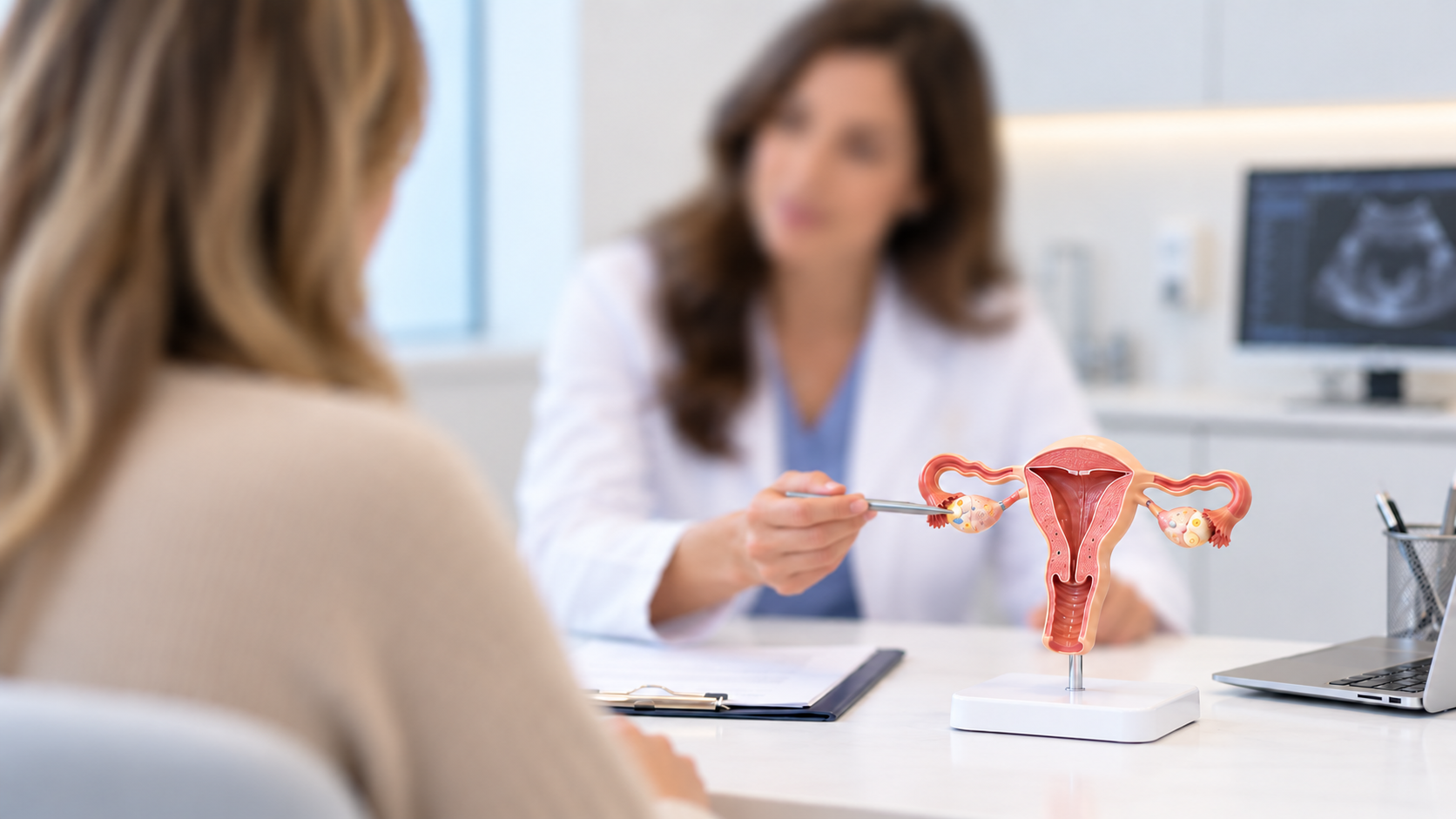
Your doctor reviews your history, symptoms and tests to confirm that laparoscopy is the best option and to explain what to expect. This is the time to ask every question you have.
Previous tests
They may include an ultrasound, laboratory tests and any other tests your doctor considers necessary.
What is reviewed
Your general health, your medications, your allergies and the findings that led to the procedure.
- 2.
Procedure
The procedure is done on an outpatient basis in the operating room and can take about 1 to 2 hours. Small incisions are made in the abdomen, the laparoscope is inserted and, if indicated, the problem is treated during the same operation.
- 3.
Recovery and follow-up
After the procedure you stay under observation until your doctor clears you to go home.
- 4.
Reproductive plan afterward
With the findings from your surgery, your doctor defines the next step in your reproductive plan with you: keep trying to conceive, start a fertility treatment or continue follow-up.
Does laparoscopy hurt, and how long does it take?
Afterward there may be mild to moderate abdominal pain, shoulder discomfort from the gas used during the procedure, bloating and tiredness, which usually improve over the following days. Surgery takes about 1 to 2 hours, and recovery depends on the findings.
What scars does laparoscopy leave?
Because the incisions are small, scars are usually small and discreet, much smaller than those from open surgery. The number and position of the incisions depend on the procedure.
Recovery: what to expect after laparoscopy
The first hours
You stay under observation until your doctor clears you to leave, and you receive written instructions.
The first weeks
Recovery time depends on the findings and on what was treated during your surgery.
Warning signs
Go in or call right away if you have fever, pain that gets worse, heavy bleeding, vomiting that does not stop, redness or discharge at the incisions, or trouble breathing.
Risks and considerations of laparoscopy
Laparoscopy usually means faster recovery and less pain than open surgery, but it is still surgery and carries risks. Although uncommon, they can include bleeding, infection, injury to a nearby organ, anesthesia-related complications or the need to switch to open surgery. Your doctor explains the risks that apply to your case before you decide.
When can I try to get pregnant afterward?
Your doctor tells you how long to wait and when you can continue your reproductive plan. There is no single rule; it depends on what was treated during surgery.
Laparoscopy, hysteroscopy and short-stay surgery: what is the difference?
Laparoscopy is done through small incisions in the abdomen and lets your doctor see and treat the pelvis. Hysteroscopy examines the inside of the uterus through the vagina. Both can be part of short-stay gynecologic surgery, which in selected cases allows you to go home the same day. Your doctor decides which is right based on your diagnosis.
Technology and a dedicated operating room at CEMPI
Surgical and laboratory equipment are integrated in the same clinical unit. Your surgery is performed by your treating doctor with the surgical team, and your follow-up continues with the same team.
Laparoscopy in Mexico City and Metepec: choose your location
Mexico City location, Benito Juárez
Open Monday to Friday 8:00 a.m. to 4:30 p.m. and Saturday 8:00 a.m. to 2:00 p.m. See the Mexico City location page for the map and directions.
Metepec location (Toluca), State of Mexico
Open Monday to Saturday 10:00 a.m. to 2:00 p.m., by appointment. It is the closest option if you live in the Toluca Valley for your assessment and follow-up visits. See the Metepec location page.
Laparoscopy cost and payment options
The cost depends on the procedure indicated and on the characteristics of your case. That is why we define it after your assessment and give you a written proposal.
What affects the cost
Whether the laparoscopy is diagnostic or surgical, what is treated during surgery, the type of anesthesia, use of the operating room, previous tests, tissue studies when indicated, and follow-up visits. Always ask what the proposal includes and what is charged separately.
Your financial proposal with PLANEA
PLANEA is the CEMPI area that prepares and presents financial proposals. A financial advisor explains the investment for your treatment and the options available, with clear and transparent information.
Ways to pay
You can pay in cash, by credit or debit card, or through financing over 2, 4, 6 and 9 months, subject to evaluation and approval. See costs and promotions and financial planning.
How to prepare for your laparoscopy
Bring your previous tests, such as ultrasounds and reports from earlier procedures, and a list of the medications you take, including allergies. Write down your questions. Learn more at first visit and gynecological consultation.
Trusted medical information
This content was reviewed by CEMPI's medical direction, Dra. Eva Bonifacio León, Medical Director, trained in Gynecology and Obstetrics and in Human Reproduction Biology. We rely on recommendations from the World Health Organization, the American Society for Reproductive Medicine (ASRM) and the European Society of Human Reproduction and Embryology (ESHRE).
Frequently asked questions about laparoscopy
Everything begins with an assessment consultation: your treating doctor reviews your history, tests and goals, and decides with you whether laparoscopy is the best option for your case.
Related services
Book your laparoscopy assessment
Every plan is built from your diagnosis, not from a standard protocol. Message us on WhatsApp or call, choose the Mexico City or Metepec location and take the first step with clear information.
This information is educational and does not replace a medical assessment. Your treatment plan will be determined individually by your doctor. Results vary and cannot be guaranteed.