
ICSI and PICSI in Mexico City and Metepec: Uses and Differences
ICSI (intracytoplasmic sperm injection) is a fertilization technique used within an in vitro fertilization (IVF) cycle: an embryologist selects one sperm and places it directly inside the egg. PICSI is a variation that adds an extra sperm-selection step before the injection. At CEMPI we perform both techniques in our assisted reproduction laboratory for patients in Mexico City (Benito Juárez) and Metepec, in the State of Mexico, always after an individual medical evaluation.
Estimated duration
It is performed on the same day as follicular aspiration, within the IVF cycle timeline.
Clinical area
Trained embryologists and andrologists.
Where it is performed
Within our assisted reproduction laboratory.
Support
The medical team and PLANEA staff will provide comprehensive, close follow-up throughout your treatment. Our commitment is to guide you through clear, transparent and timely communication.
ICSI and PICSI at CEMPI at a glance
- What ICSI is: the injection of one sperm into a mature egg, within an IVF cycle.
- What PICSI is: an extra sperm-selection step before ICSI, used in selected cases.
- When it is done: on the same day as egg retrieval, within the IVF timeline.
- Who performs it: trained embryologists and andrologists.
- Where: in our assisted reproduction laboratory.
- Payment: in cash, by credit or debit card, or with financing over 2, 4, 6 and 9 months, subject to evaluation and approval.
- First step: first visit: a consultation with your treating doctor.
What is ICSI?
ICSI is a microinjection technique in which a single sperm is taken and placed directly into the cytoplasm of a mature egg, using a very fine needle and a microscope. It is used within an IVF treatment to support fertilization when sperm cannot achieve it on their own.
What is PICSI?
PICSI, also called physiological ICSI, adds a selection step before the injection. Sperm are placed in contact with hyaluronic acid, a substance that occurs naturally around the egg, and only mature sperm bind to it. The embryologist chooses among the sperm that stuck. PICSI does not replace ICSI. It is a way to select which sperm will be injected.
Are ICSI and PICSI the same thing?
No. Both techniques inject a sperm into the egg. The difference is in how the sperm is chosen: in ICSI the embryologist chooses by appearance and movement, and PICSI adds the sperm's ability to bind to hyaluronic acid. The benefit of PICSI is still being studied and it is considered in selected cases, so your doctor decides whether it suits you.
Who is ICSI for?
ICSI is not necessary in every IVF cycle. Your doctor recommends it when your diagnosis supports it.
Situations where ICSI is often indicated
- A significant male factor: very low sperm count, poor movement or marked changes in shape
- Failed or very low fertilization in a previous IVF cycle with the conventional technique
When is PICSI considered?
It has been proposed mainly when there are certain sperm-quality problems or a history of unfavorable results in earlier treatments. Its benefit has not been conclusively shown and it is not used routinely: the decision is individual and is made with the semen analysis and your medical history.
When is ICSI not needed?
If the semen is normal and there is no history of fertilization failure, conventional IVF may be enough. In those cases, ICSI has not clearly been shown to improve pregnancy rates, and it adds a step and a cost to treatment. That is why the decision is based on your diagnosis and not on routine.
ICSI or conventional IVF: which is right for me?
Both are done within an in vitro fertilization cycle. The difference is in how fertilization happens in the laboratory.
Conventional IVF
Eggs and sperm are placed together in a culture medium and fertilization happens spontaneously.
ICSI
One sperm is injected into each mature egg. It is chosen when there is a significant male factor or a history of fertilization failure.
How the decision is made
The technique is defined from the clinical and laboratory evaluations, before the egg retrieval, and it is carried out on the same day as the retrieval.
How ICSI works step by step
- 1.
Egg retrieval and semen sample preparation
Eggs are collected during the egg retrieval and, on the same day, the semen sample is prepared in the laboratory. Only mature eggs can receive the injection.
- 2.
Sperm selection
The embryologist selects sperm with the best movement and appearance. When indicated, PICSI selection is added.
PICSI selection
Sperm are placed in contact with hyaluronic acid and those that bind are chosen.
What is evaluated
Their ability to bind to hyaluronic acid, which is associated with sperm maturity, in addition to their movement and shape.
- 3.
Microinjection
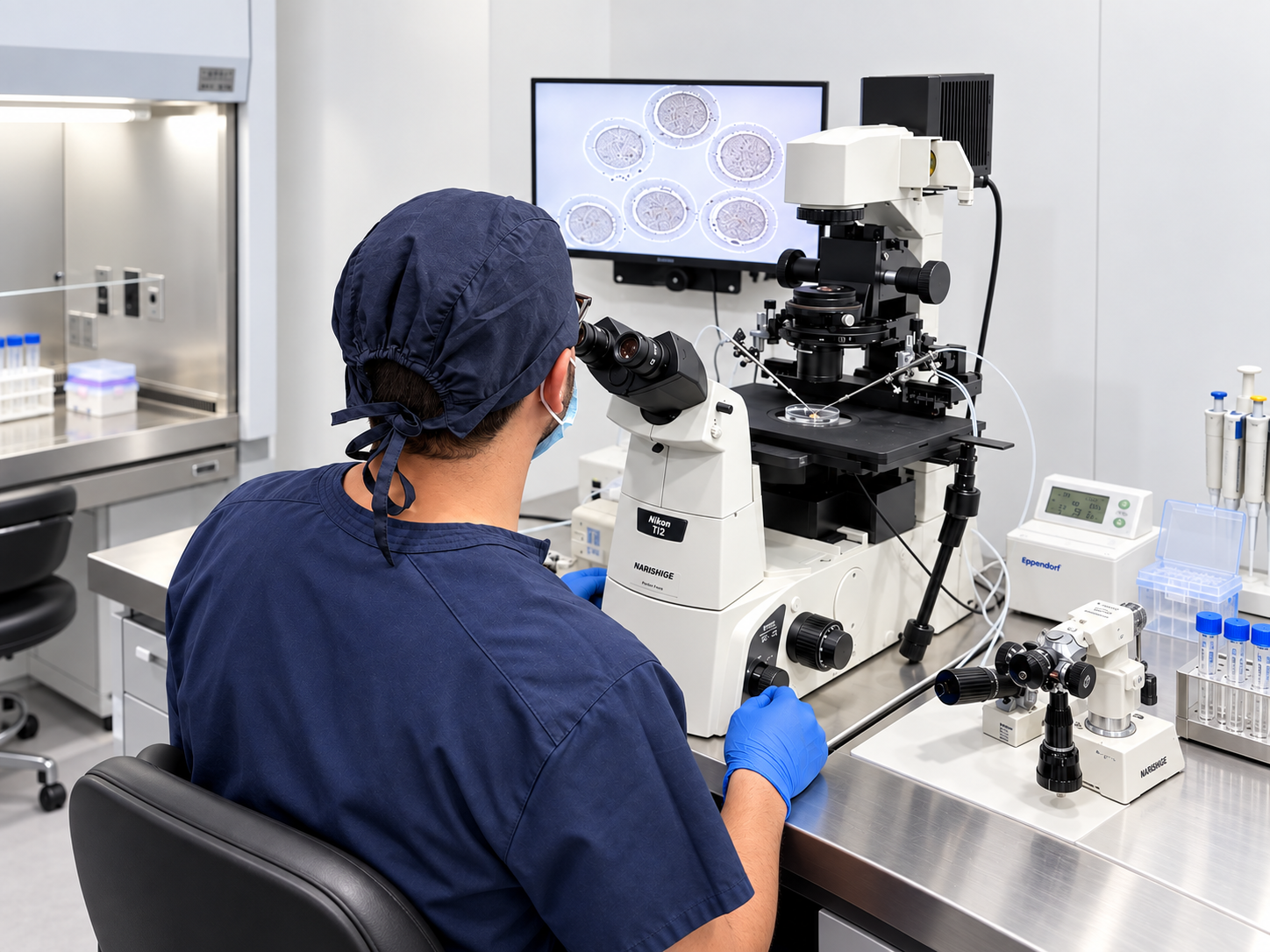
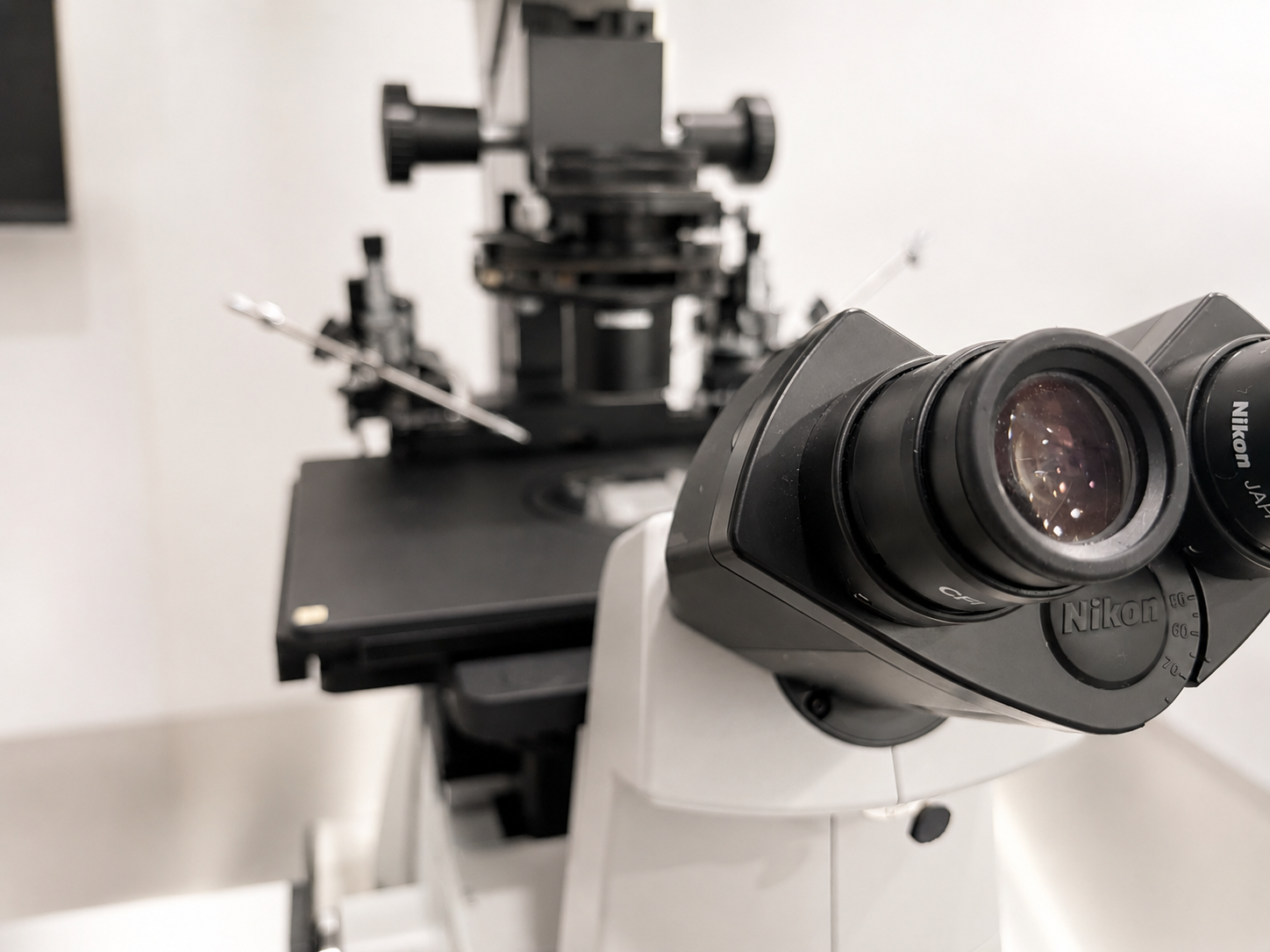
Using a microscope and micromanipulators, the embryologist holds the egg and places one sperm inside it with a very fine needle.
- 4.
Embryo culture and assessment
The eggs are placed in incubators with controlled conditions and embryo development is monitored over several days.
What happens next
Embryos can be transferred to the uterus or vitrified for a later cycle. See the full process in in vitro fertilization.
Does ICSI hurt, and how long does it take?
The microinjection is done in the laboratory on the eggs, so you do not feel it. What happens in your body is the egg retrieval, which is done under sedation. ICSI is carried out on the same day as the retrieval, within the timeline of your IVF cycle.
Technology and embryology laboratory at CEMPI
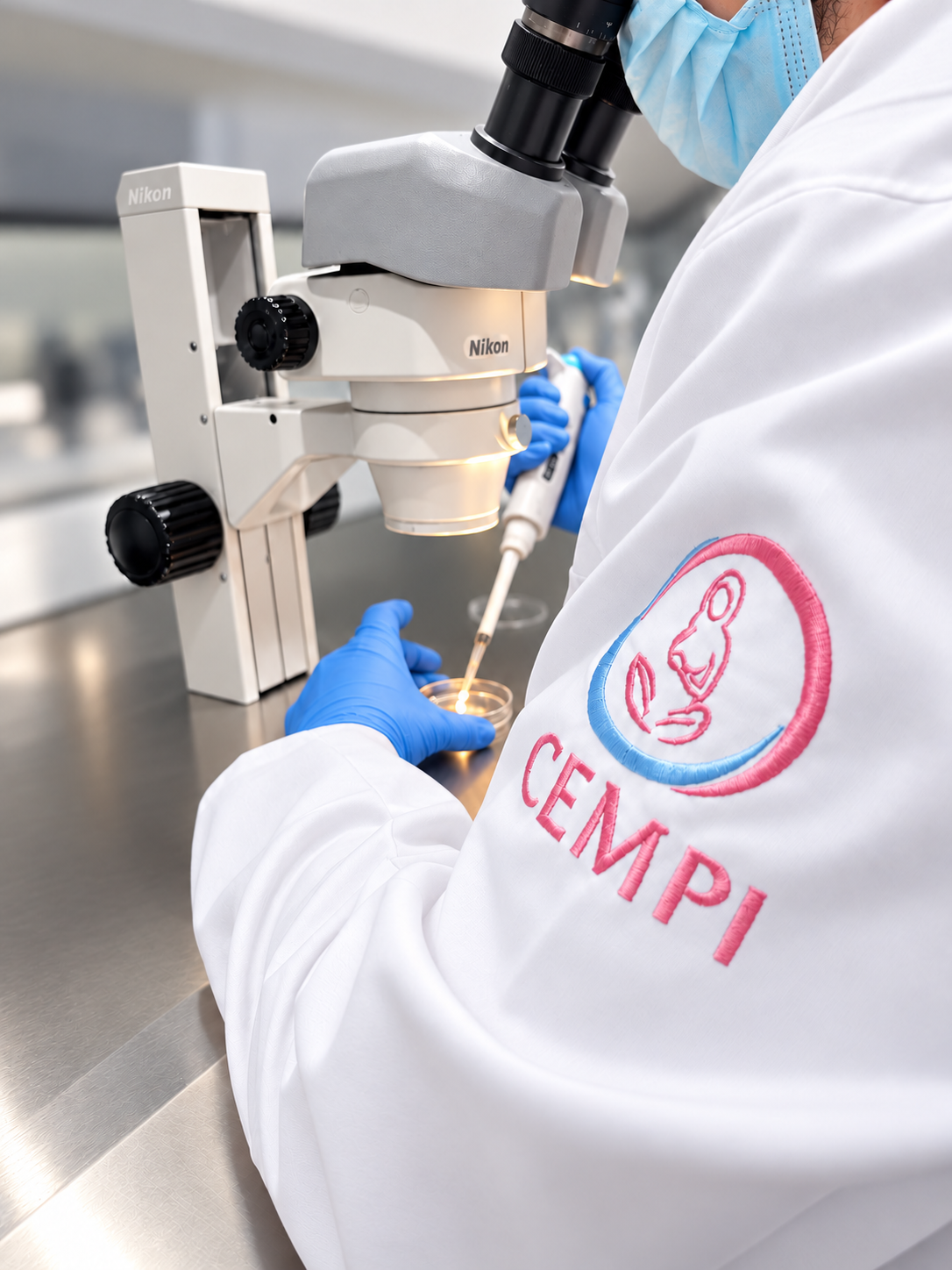
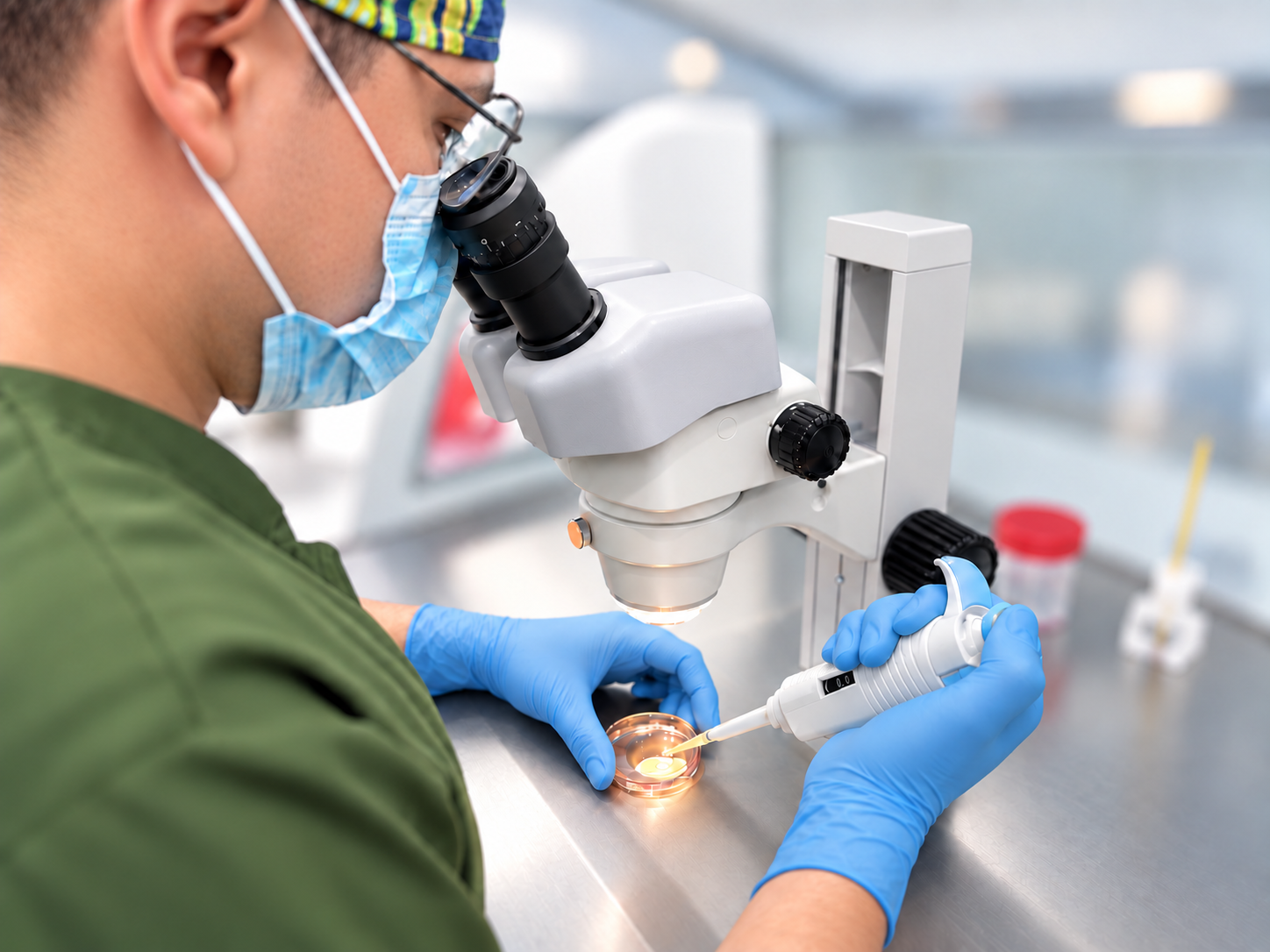
Sperm micromanipulation techniques are performed in our embryology laboratory. ICSI places a selected sperm inside the egg to support fertilization, and PICSI adds a selection method based on binding to hyaluronic acid in the cases where it is indicated. The embryos are then cultured in incubators with controlled conditions and monitoring of their development. The procedures are performed by trained embryologists and andrologists.
What affects the results of an ICSI cycle?
ICSI helps fertilization happen, but it does not guarantee a pregnancy. The result depends mainly on the woman's age, egg quality, embryo quality, the condition of the uterus and the diagnosis. No responsible doctor can promise an outcome. At your consultation we explain what expectations are realistic in your case.
Risks and considerations of ICSI
For the eggs and fertilization
Not all eggs tolerate the injection and not all of them fertilize. That is why the number of mature eggs collected matters.
For the baby
The great majority of babies born after ICSI are healthy. Some studies have seen a small increase in certain conditions compared with natural conception, which may be related more to the cause of infertility than to the technique. Your doctor can talk it through with you.
Risks that come with IVF
ICSI is part of an IVF cycle, so IVF risks also apply, such as ovarian hyperstimulation syndrome or multiple pregnancy. See the information on in vitro fertilization.
Emotional well-being
Choosing between techniques can raise questions. Talk with your doctor, your partner and people you trust, and ask us about support options.
If you are traveling for IVF
ICSI is done on the same day as your egg retrieval, so it does not add a separate trip. Your doctor will give you the timeline of the whole IVF cycle. See our guide for international patients.
ICSI and PICSI in Mexico City and in Metepec
You can start your evaluation and follow-up at the location closest to you.
Mexico City, Benito Juárez
Open Monday to Friday from 8:00 a.m. to 4:30 p.m. and Saturday from 8:00 a.m. to 2:00 p.m. See the location page for the map and directions.
Metepec (Toluca), State of Mexico
Open Monday to Saturday from 10:00 a.m. to 2:00 p.m., by appointment. It is the closest option if you live in the Toluca Valley. See the location page.
ICSI cost and payment options
ICSI is done within an IVF cycle, and its cost depends on the procedure indicated and the characteristics of your case. That is why we define it after your evaluation and give you a written proposal.
What affects the cost
Whether conventional IVF or ICSI is used, whether PICSI is added, stimulation medication, the number of mature eggs, embryo culture, genetic testing and embryo vitrification. Always ask what a proposal includes and what is charged separately.
Your proposal with PLANEA
PLANEA is the CEMPI team that prepares and presents financial proposals. A financial advisor explains the investment in your treatment and the options available, with clear and transparent information.
Payment methods
You can pay in cash, by credit or debit card, or with financing over 2, 4, 6 and 9 months, subject to evaluation and approval. See costs and promotions and financial planning.
Preparing for your consultation
If you can, bring semen analyses, hormone tests, ultrasounds and reports from any earlier IVF cycles, along with a list of your medication. Write down your questions. If you come as a couple, both of you take part in the evaluation. Learn more at first visit.
Medical information you can trust
Dra. Eva Bonifacio León, Medical Director, is part of the medical team at CEMPI. We base our content on guidance from the World Health Organization, the American Society for Reproductive Medicine (ASRM), the European Society of Human Reproduction and Embryology (ESHRE) and the systematic review of PICSI versus ICSI published in JBRA Assisted Reproduction.
Frequently asked questions about ICSI and PICSI
Everything starts with an initial consultation. Your treating doctor reviews your history and tests, and defines with you whether ICSI, with or without PICSI, is the best option for your case.
Related services
Book your ICSI and PICSI evaluation
Every plan is built from your diagnosis, not from a standard protocol. Message us on WhatsApp or call, choose the Mexico City or Metepec location, and take the first step with clear information.
This information is educational and does not replace a medical evaluation. Your treatment plan will be set individually by your doctor. Results vary and cannot be guaranteed.