
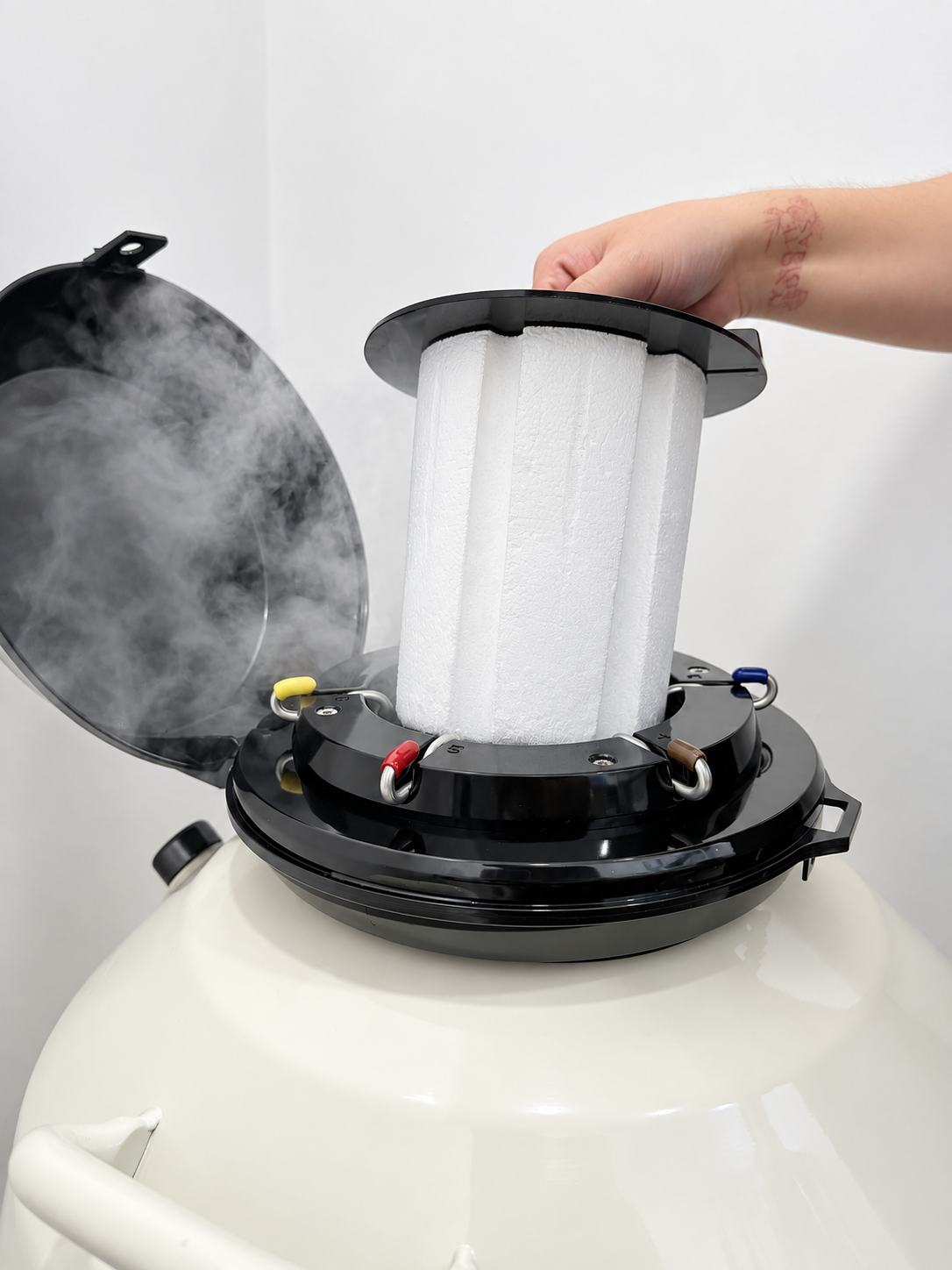
Egg Freezing and Fertility Preservation in Mexico City
Fertility preservation means freezing and storing eggs or sperm so you can use them later. It is an option for people who want to postpone parenthood and for those who are about to receive a medical treatment that may affect their fertility. At CEMPI we offer egg freezing through vitrification and sperm freezing in Mexico City (Benito Juárez) and in Metepec, in the State of Mexico, after an individual medical evaluation.
Estimated duration
The active ovarian stimulation phase usually lasts approximately 10 to 14 days, followed by follicular aspiration and freezing of the eggs in the laboratory.
Clinical area
Assessment by your treating physician and the procedure performed by embryologists and andrologists in our laboratory.
Where it is performed
Eggs, performed in an operating room used exclusively for fertility procedures, free of bacteria, fungi, parasites and airborne particles; follicular aspiration is an outpatient procedure lasting approximately twenty minutes, under sedation. Sperm, within our facilities, in an area dedicated to semen sample collection.
Support
The medical team and PLANEA staff will provide comprehensive, close follow-up throughout your treatment. Our commitment is to guide you through clear, transparent and timely communication.
Fertility preservation at CEMPI at a glance
- What it is: freezing and storing eggs (vitrification) or sperm for future use.
- Ovarian stimulation (eggs): about 10 to 14 days, with medical follow-up.
- Egg retrieval: an outpatient procedure of about twenty minutes, under sedation.
- Sperm freezing: the sample is collected at our facilities, processed, frozen and stored.
- Locations: Mexico City (Benito Juárez) and Metepec (Toluca), State of Mexico.
- Payment: cash, credit or debit card, or financing over 2, 4, 6 and 9 months, subject to evaluation and approval.
- First step: an evaluation with your treating doctor.
What is fertility preservation?
Fertility preservation is the freezing and storage of eggs or sperm to keep their reproductive potential. With cryopreservation techniques, the cells are stored under controlled conditions and keep the characteristics they had when they were frozen. Later they can be used in an assisted reproduction treatment.
Egg freezing (vitrification)
Vitrification is an ultra-fast freezing technique that prevents the formation of ice crystals that could damage the egg. It is the method currently used to freeze eggs.
Sperm freezing
It consists of collecting a semen sample, analyzing it, processing it and freezing it for storage. It is used, for example, before cancer treatment or when someone wants to delay fatherhood.
What about embryos?
Embryos can also be frozen, but that happens within an in vitro fertilization treatment, once eggs have been fertilized. If you only want to keep your own eggs or sperm, this is the page you need.
Who is fertility preservation for?
It can be considered as a personal decision to postpone parenthood, or ahead of medical treatments that may affect reproductive function. Your treating doctor defines the indication and the timing.
Personal reasons
People who, for professional, personal or financial reasons, do not want children right now and want to keep the possibility of having them later.
Medical reasons
- Cancer treatments, such as chemotherapy or radiation
- Surgeries that may affect the ovaries
- Endometriosis
- Conditions that may reduce ovarian reserve or sperm production
- A family history of early menopause
Cancer and fertility: when to see us
If you are about to start cancer treatment, consult as soon as possible, preferably before your first session.
What is the best age to freeze eggs?
There is no single age, but egg quality declines over the years. The younger you are when you freeze eggs, the better the chances of using them successfully later. It is often suggested to consider it before age 35, although it remains a valid option after that when your doctor considers it appropriate. Your ovarian reserve evaluation and your plans define when freezing makes sense and how many cycles may be needed.
How many eggs should you freeze?
The more mature eggs are frozen, the better the chance of a future pregnancy. The number you get in each cycle depends on your age and ovarian reserve, which is why more than one cycle is sometimes needed. Your doctor explains what to expect before you start, without promising a number.
How egg freezing works step by step
- 1.
Ovarian reserve assessment
We review your medical history and tests, and assess your ovarian reserve with ultrasound and hormone tests such as anti-Müllerian hormone (AMH). This information defines your plan.
- 2.
Ovarian stimulation
Medication, usually injectable, is prescribed so that several mature eggs develop in one cycle. The active phase lasts about 10 to 14 days.
Monitoring visits
During these days you visit your treating doctor so the treatment can be adjusted.
What is checked at each visit
Follicle growth is measured by ultrasound and lab tests are reviewed. The dose is adjusted and the timing of the egg retrieval is decided.
- 3.
Egg retrieval
Eggs are collected in an outpatient procedure of about twenty minutes, under sedation, in an operating room reserved for fertility procedures. After a short recovery, you go home.
- 4.
Vitrification and storage
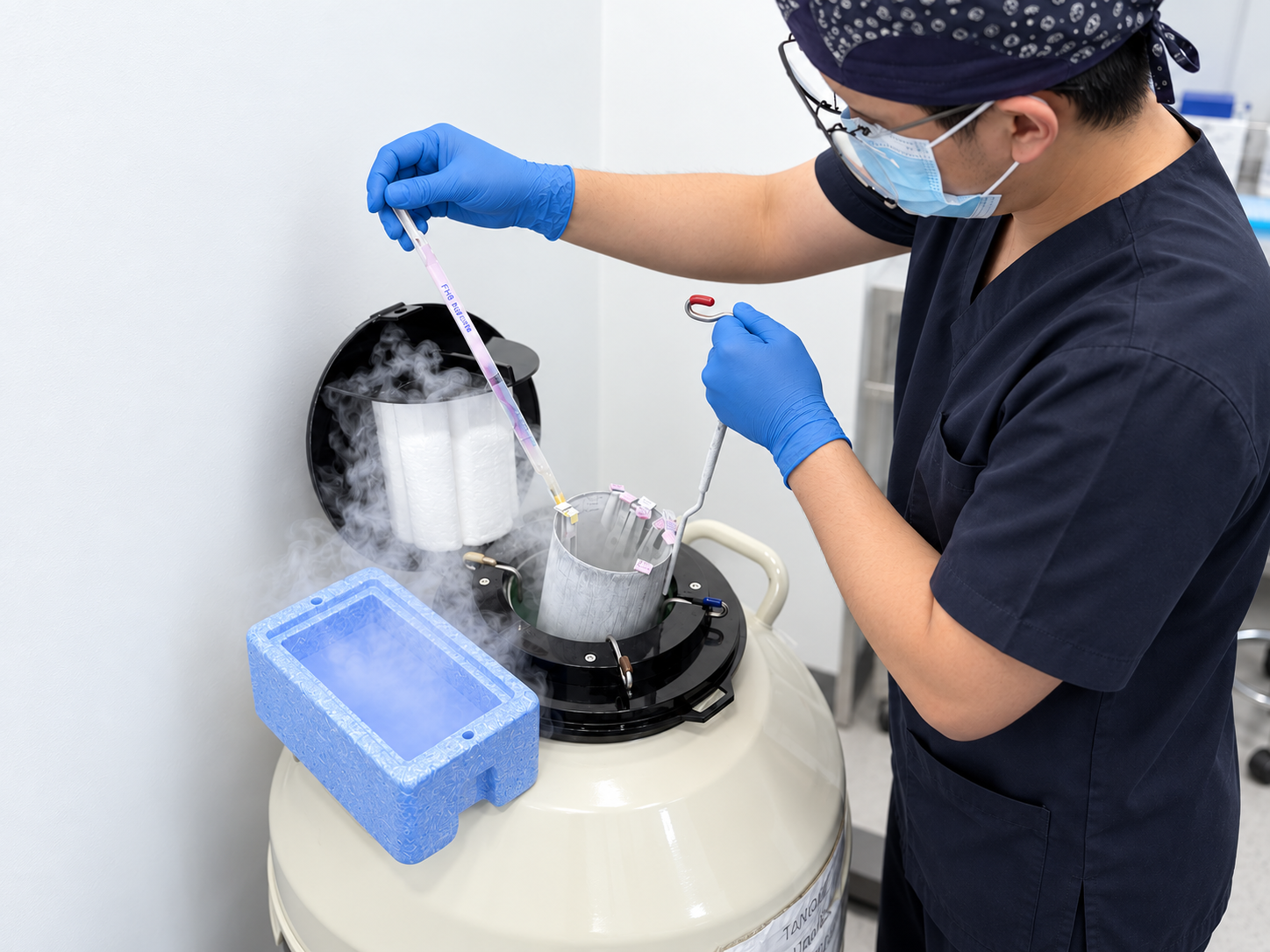
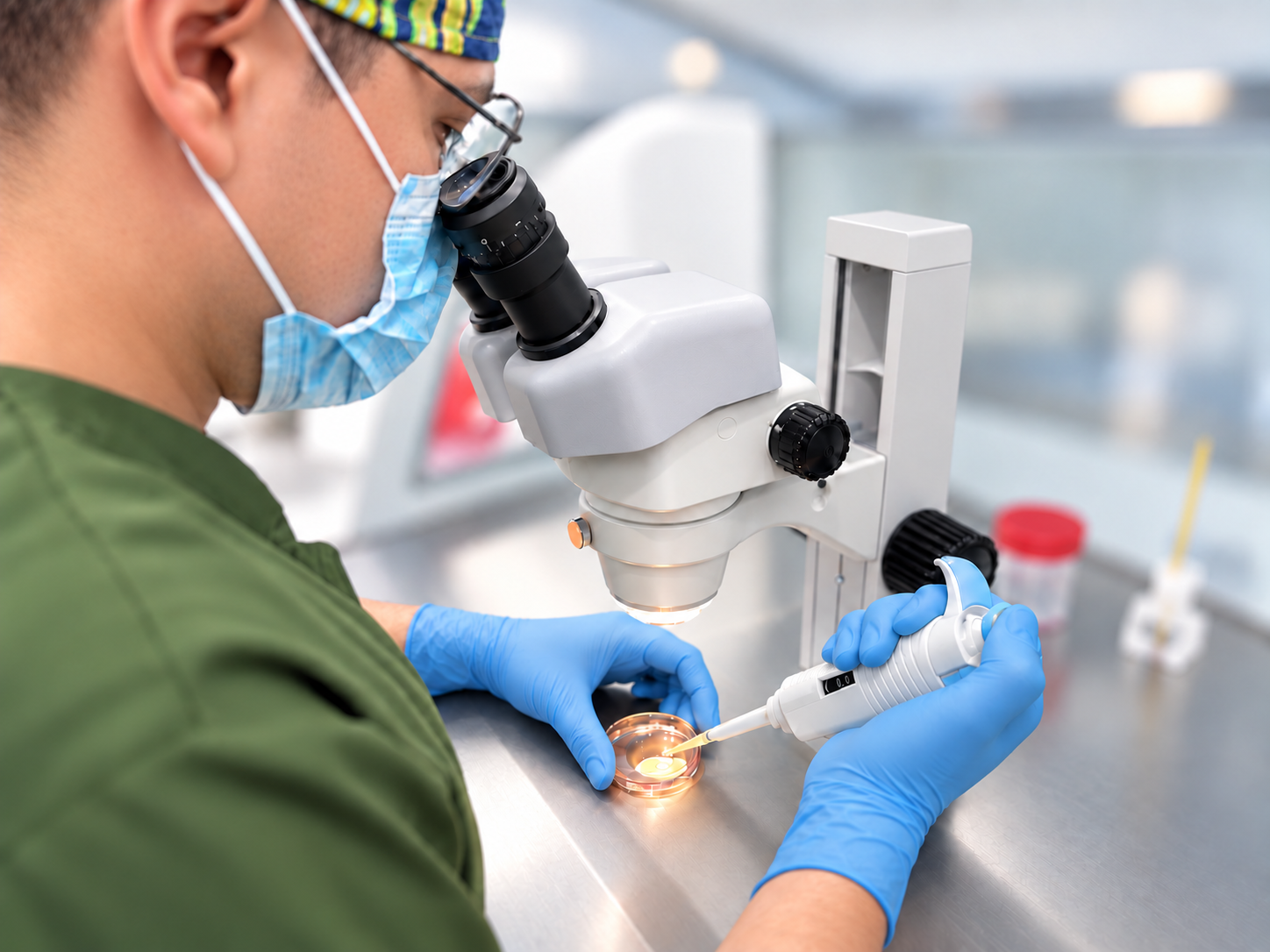
The laboratory's embryologists check the eggs, vitrify the mature ones and store them under controlled conditions within our facilities.
How sperm freezing works
- 1.
Assessment of sperm quality
A semen analysis shows the count, movement and shape of the sperm.
- 2.
Sample collection
The sample is collected at our facilities, in an area used only for this purpose.
- 3.
Analysis of the sample
Our andrologists analyze the sample and prepare it for freezing.
- 4.
Freezing and storage
The sample is cryopreserved and stored until you decide to use it. Your doctor tells you whether it makes sense to store more than one sample.
Does egg freezing hurt, and how long does it take?
Stimulation can cause mild discomfort, such as bloating or tenderness, but egg retrieval is done under sedation and you do not feel it. The active phase lasts about 10 to 14 days, followed by the retrieval, which takes about twenty minutes. Your doctor sets your calendar at the initial evaluation. Freezing sperm is simpler: it only requires a sample and no sedation.
How long can frozen eggs and sperm be stored?
Frozen eggs and sperm keep the characteristics they had when they were frozen. The storage period, the annual fee and the contract terms depend on regulations and on the clinic.
How are frozen eggs and sperm used later?
When you decide to use your eggs, they are thawed, fertilized in the laboratory with sperm, usually through ICSI, and the resulting embryo is transferred to the uterus in an in vitro fertilization cycle. Not all eggs survive thawing and not all of them fertilize, which is why the number of frozen eggs matters. Frozen sperm can be used in intrauterine insemination or in IVF, depending on the case.
Risks, discomfort and safeguards
Freezing eggs and sperm is safe when done by a specialized team, but you should know its possible discomforts.
During stimulation
You may feel bloating, breast tenderness or mood changes. In some patients, ovarian hyperstimulation syndrome can occur, which is monitored with ultrasound and blood tests. Contact us right away if you have severe pain, rapid weight gain or trouble breathing.
During egg retrieval
Mild pelvic discomfort and light vaginal spotting are common. Serious complications, such as infection or heavy bleeding, are uncommon. The procedure is done under sedation and medical supervision.
Realistic expectations
Freezing eggs widens your options, but it does not guarantee a future pregnancy. Whether it works depends on factors such as your age when you freeze and how many mature eggs are preserved.
Emotional well-being
Deciding about your fertility can bring strong emotions, especially before medical treatment. Talk with your doctor and people you trust, and ask us about support options.
What affects the results?
There is no single figure that applies to everyone, and no responsible doctor can guarantee a pregnancy. Results depend mainly on your age when you freeze, the number of mature eggs frozen, their survival after thawing, fertilization, embryo quality and the condition of the uterus when they are used. At your consultation we explain what expectations are realistic in your case.
Technology and storage at CEMPI
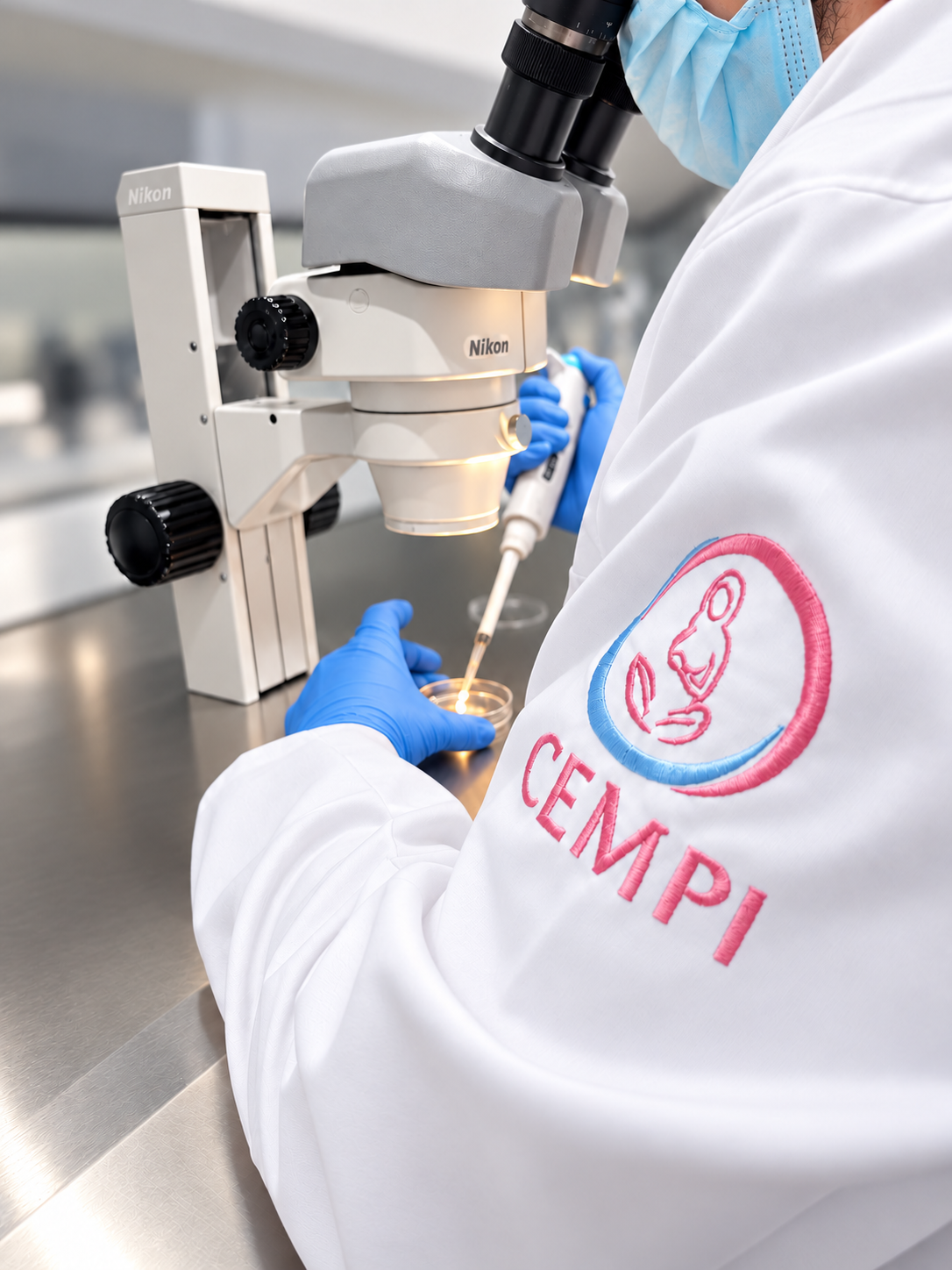
We use vitrification with protocols developed in our own laboratory and controlled storage within the same unit. Procedures with eggs and sperm are performed by our embryologists and andrologists, under the supervision of your treating doctor.
If you live outside Mexico City or are visiting
Egg freezing involves several monitoring visits during about 10 to 14 days of stimulation, so you need to be close to the clinic during that period. Ask us how your frozen eggs or sperm can be used later, and see our guide for international patients.
Egg freezing in Mexico City and in Metepec: choose your location
Fertility preservation in Mexico City, Benito Juárez
The Mexico City clinic is open Monday to Friday from 8:00 a.m. to 4:30 p.m. and Saturday from 8:00 a.m. to 2:00 p.m. It is the most convenient choice if you live in or are visiting Mexico City. See the location page for the map and directions.
Fertility preservation in Metepec (Toluca), State of Mexico
The Metepec clinic is open Monday to Saturday from 10:00 a.m. to 2:00 p.m., by appointment. It is the closest option if you live in the Toluca Valley and avoids frequent trips during your monitoring visits. See the location page.
Cost of fertility preservation and payment options
The cost of your treatment depends on the procedure indicated and the characteristics of your case. That is why we define it after your evaluation and give you a written proposal.
What affects the cost
The procedure (eggs or sperm), stimulation medication, the number of cycles, preliminary tests, sedation, vitrification and storage, which may carry an annual fee. Always ask what a proposal includes, how long the storage period covers and what is charged separately.
Your proposal with PLANEA
PLANEA is the CEMPI team that prepares and presents financial proposals. A financial advisor explains the investment in your treatment and the options available, with clear and transparent information.
Payment methods
You can pay in cash, by credit or debit card, or with financing over 2, 4, 6 and 9 months, subject to evaluation and approval. See costs and promotions and financial planning. Prices are quoted in Mexican pesos.
Preparing for your first consultation
If you can, bring previous ultrasounds, hormone tests (such as AMH), a semen analysis and medical reports, along with a list of your medication. Write down your questions and your plans for having children. If you are going to receive cancer treatment, bring your doctor's report. Learn more at first visit.
Medical information you can trust
Dra. Eva Bonifacio León, Medical Director, is part of the medical team at CEMPI. This information is based on guidance from the World Health Organization, the American Society for Reproductive Medicine (ASRM) and the European Society of Human Reproduction and Embryology (ESHRE). Before choosing a clinic, ask whether it has the health authorization required to cryopreserve and store germ cells.
Frequently asked questions about fertility preservation
Everything starts with an initial evaluation. Your treating doctor reviews your history, tests and goals, and defines with you whether fertility preservation is the best option for your case.
Related services
Book your fertility preservation evaluation
Every plan is built from your diagnosis, not from a standard protocol. Message us on WhatsApp or call, choose the Mexico City or Metepec location, and take the first step with clear information.
This information is educational and does not replace a medical evaluation. Your treatment plan will be set individually by your doctor. Results vary and cannot be guaranteed.